



A Smarter Input for Big Impact
A Smarter Input for Big Impact
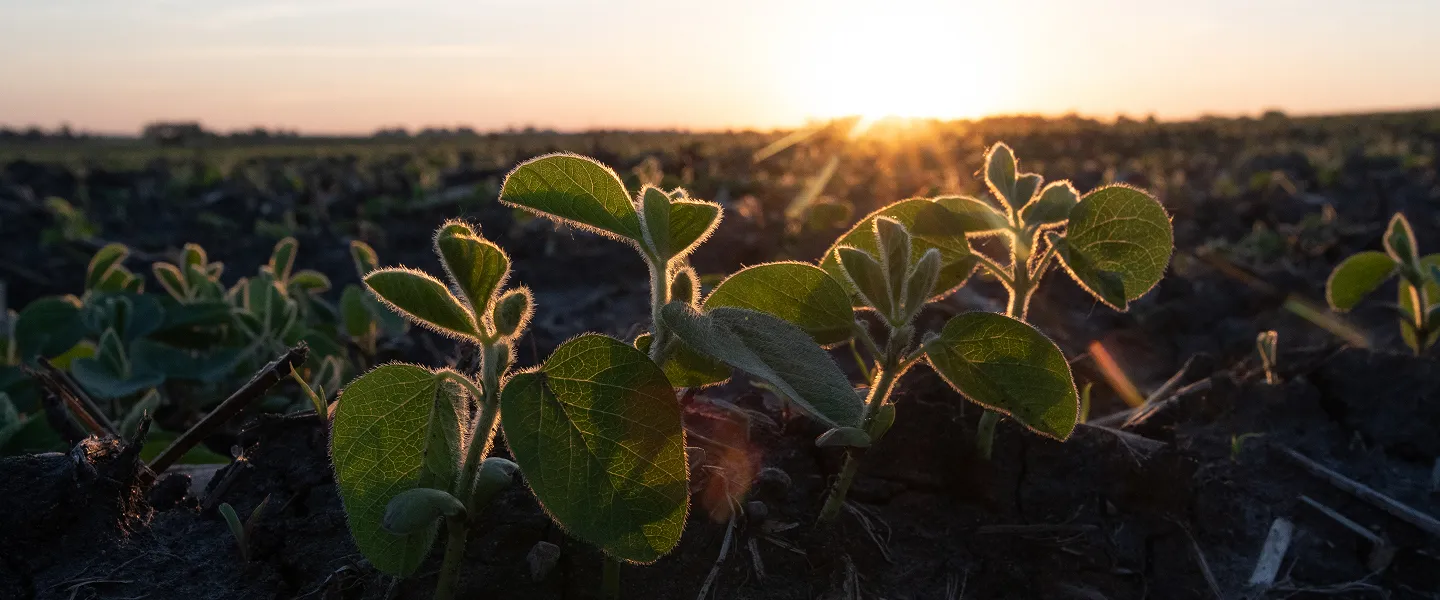
U.S. soy has been proven to perform. It’s sustainable, versatile, reliable, and grown to deliver consistency season after season.
An Established Supply Chain
Moving Beans Reliably
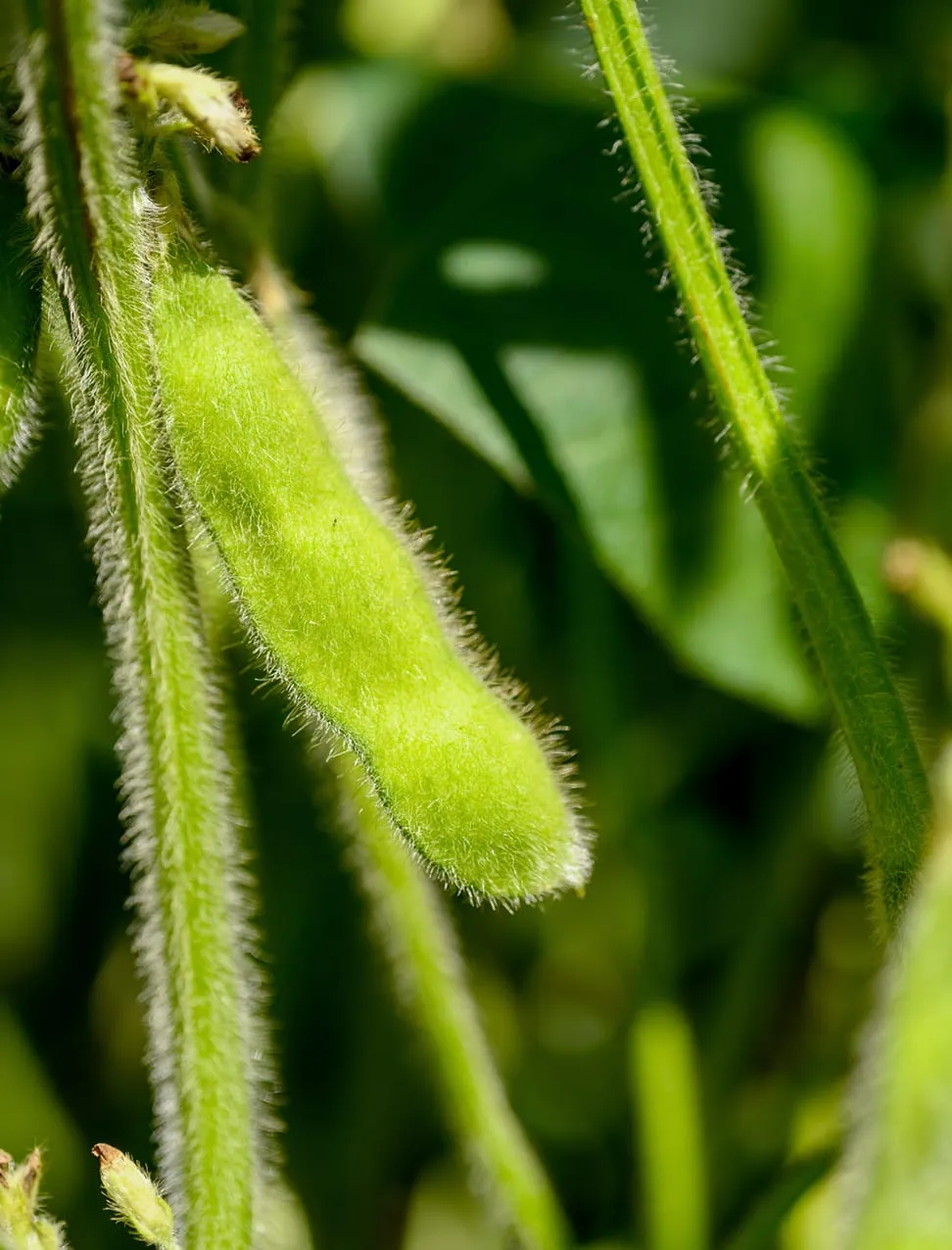
A Sustainable Commodity You Can Count On
Where Renewable Meets Revenue
There’s a reason soy seems to be everywhere. Innovators have discovered that this nutritious food source can be used to improve everyday products in thousands of contexts outside the kitchen. And it’s often a more sustainable alternative.
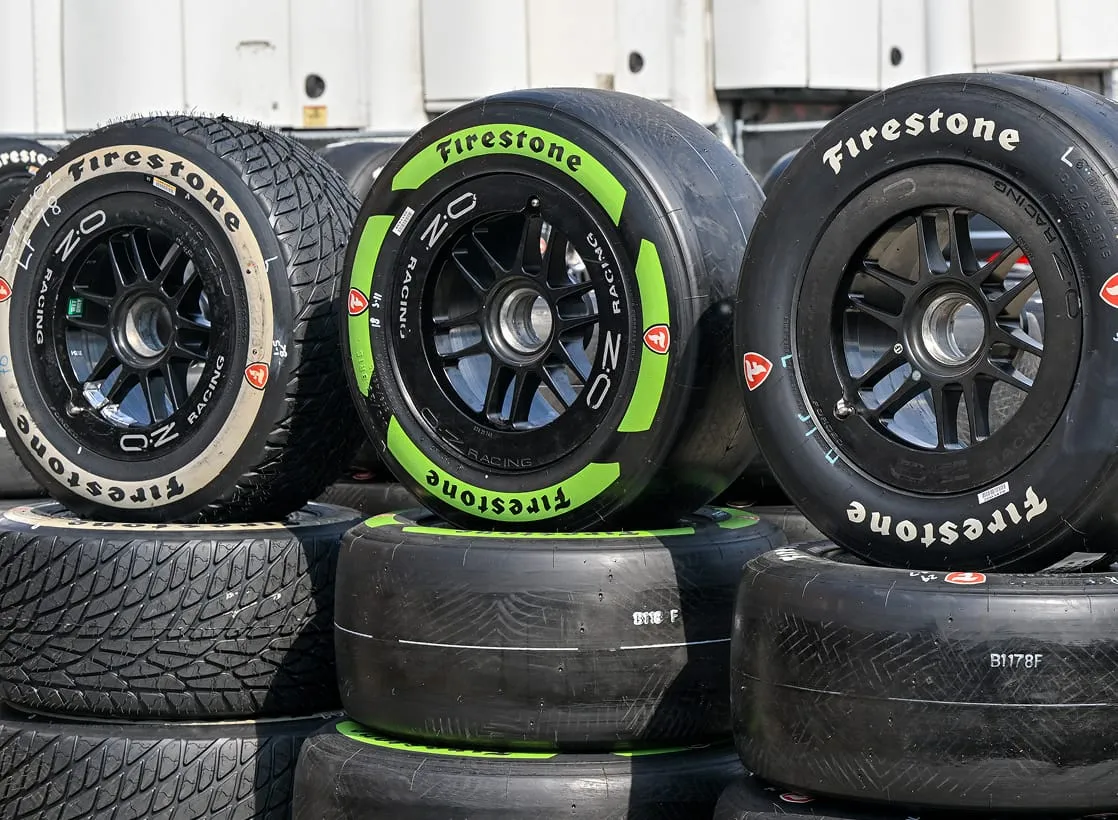
A Renewable Input to Replace Petroleum
Soy-derived oils offer a sustainable alternative to petroleum-based ingredients without sacrificing performance. They provide manufacturers with renewable alternatives that reduce environmental impact and give products a competitive, eco-friendly edge.
Learn More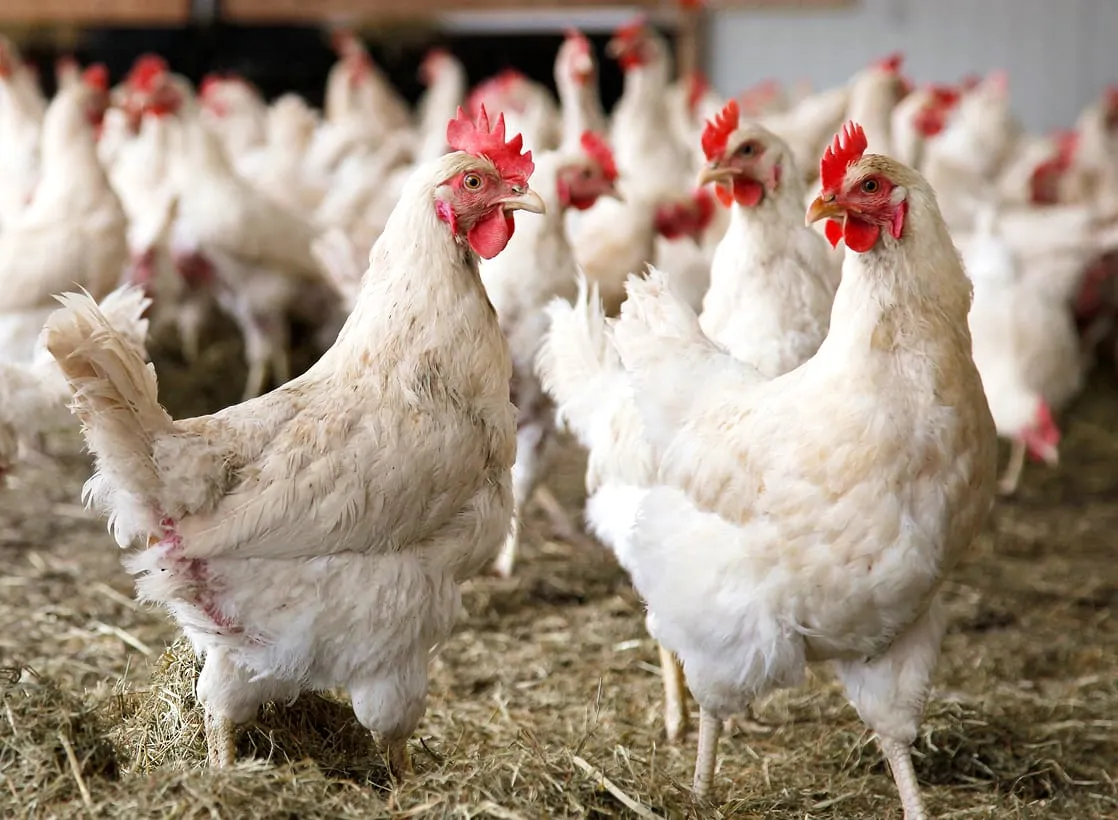
Better Nutrition for Livestock
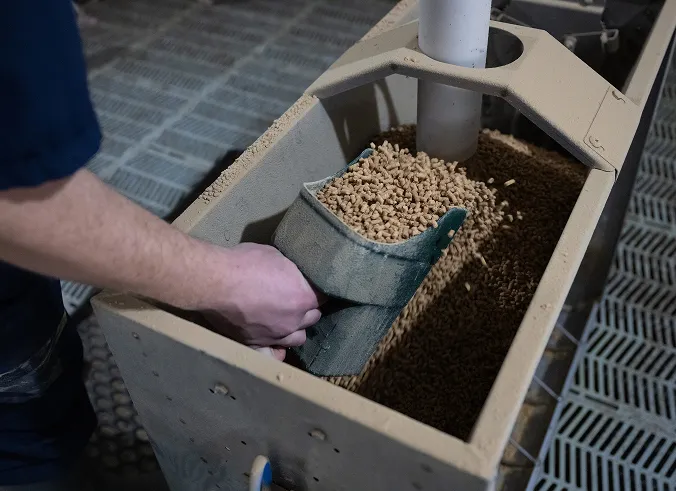
Soy delivers a highly digestible source of protein and essential amino acids that fuel growth, muscle development, and immune health in animals. Its consistent quality and energy profile makes it a reliable, cost-effective foundation for balanced feed.
Learn More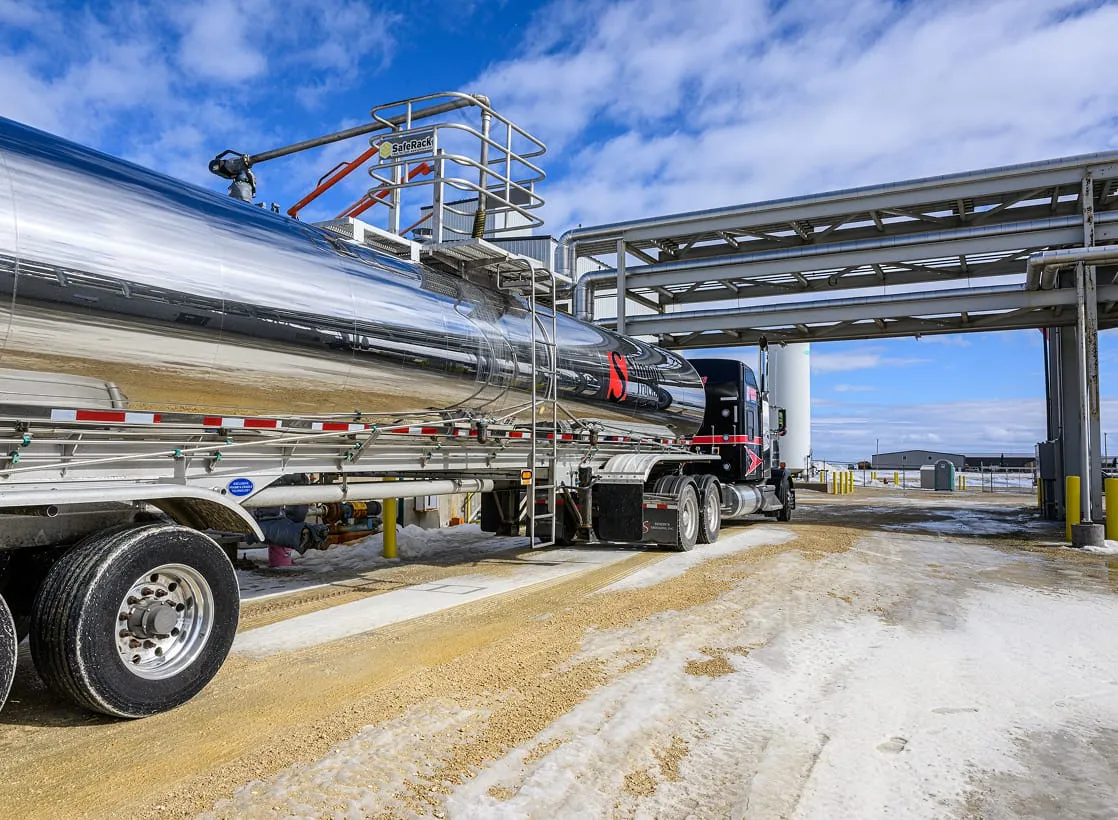
Renewable Energy for a Demanding World
Soy-based biodiesel reduces greenhouse gas emissions compared to petroleum diesel, while delivering strong performance in engines and machinery. As a renewable fuel, it supports energy independence and a lower-carbon future.
Learn More
Sustainable Protein Consumers Want
Soy is a complete, plant-based protein containing all nine essential amino acids. It supports heart health, provides versatility across cuisines, and offers consumers a sustainable protein choice that doesn’t compromise on taste or nutrition.
Learn MoreSustainability Built In

Sustainable Shipping Standards
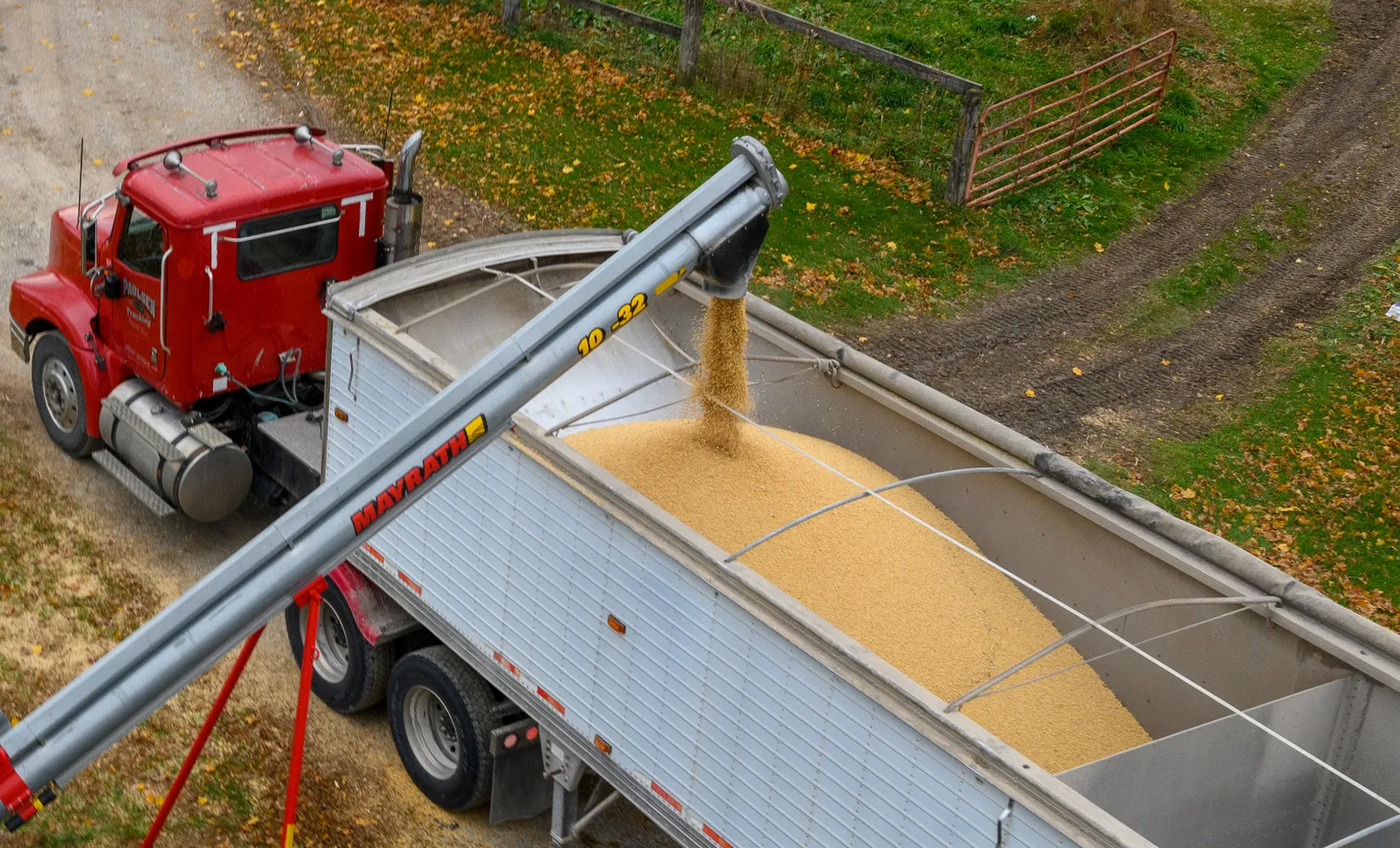
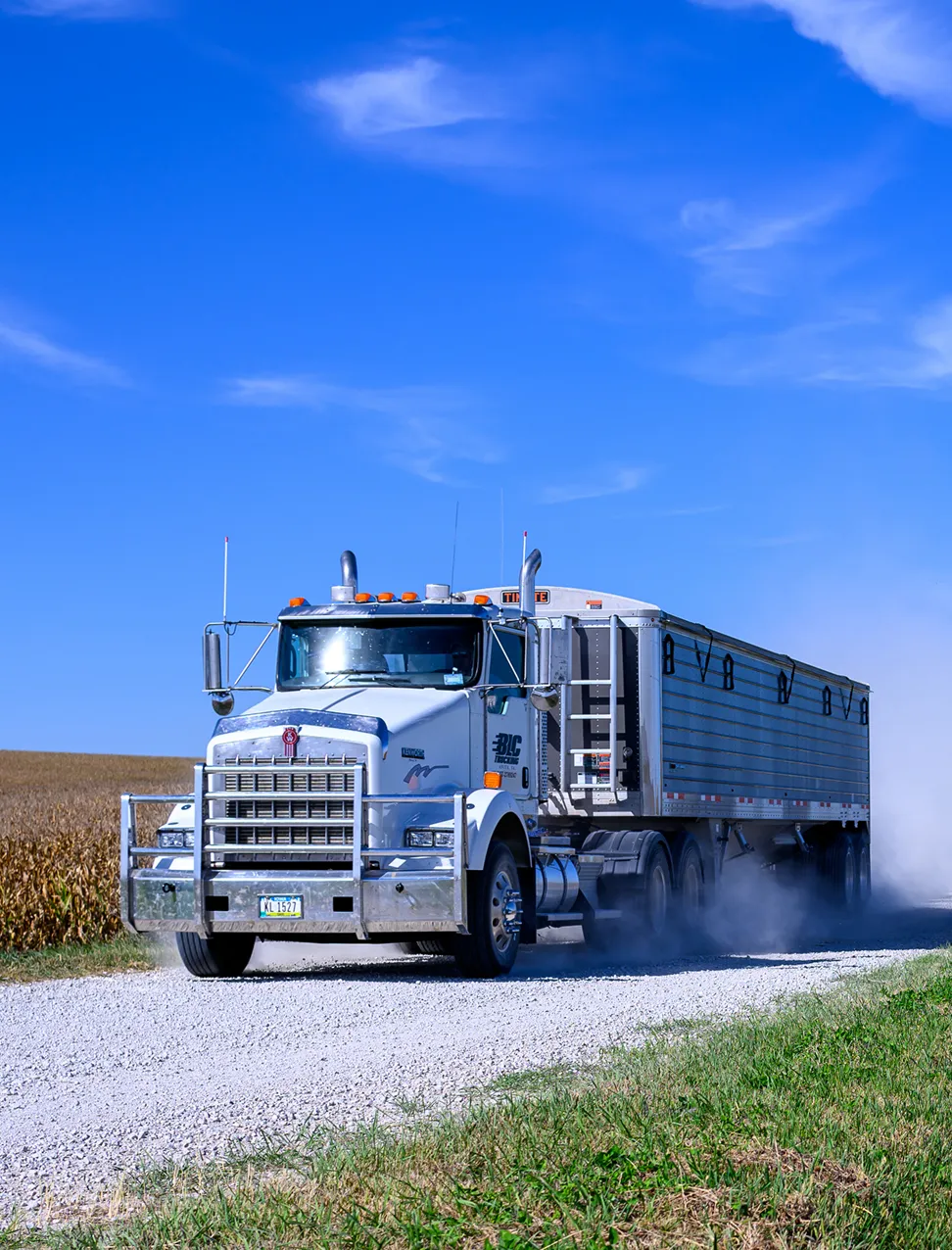
With U.S. Soy, sustainability is a supply chain standard. The soy supply chain leverages waterway transport more than any other agri-food, making it cost effective and CO2 efficient.
Sustainability That Protects Your Brand
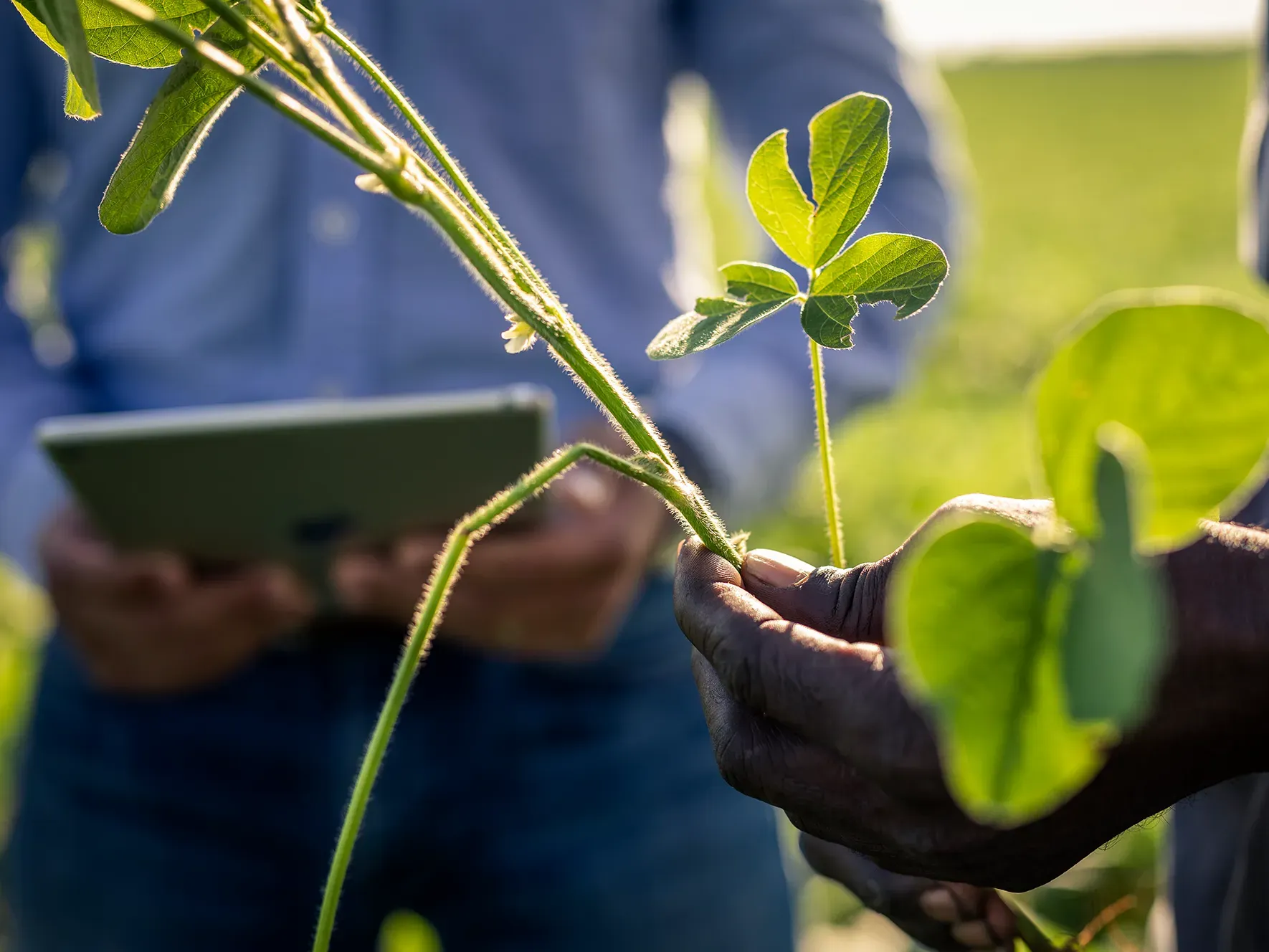
Today’s customers are looking for climate-conscious products. U.S. Soy helps you meet those expectations. The carbon footprint of U.S. soy fell by 19% between 2015 and 2021*. That’s a win for the sustainability of your supply chain.
Land, Water & Energy
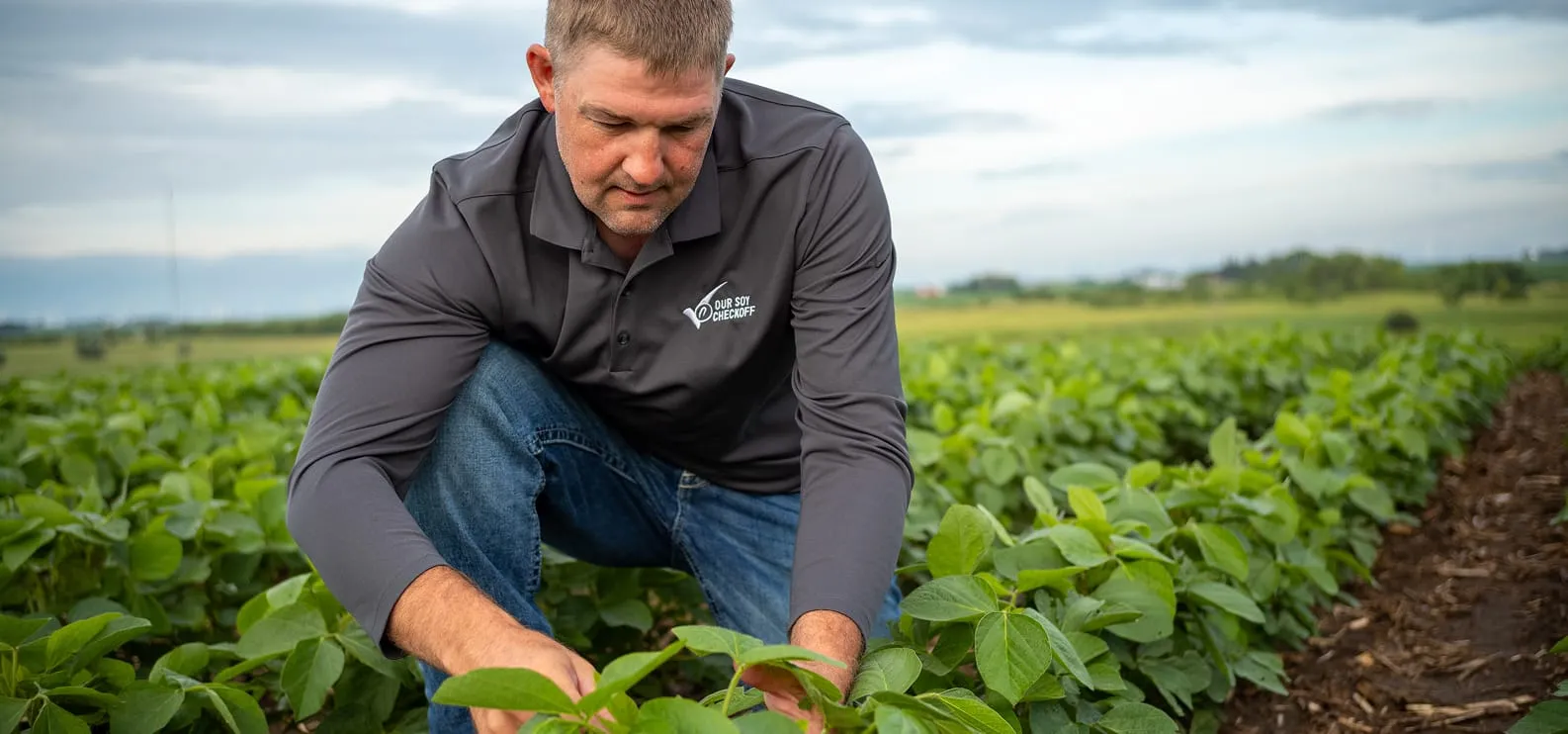
Precision technology and farmer commitment have measurably improved the sustainability of the soybean industry in recent decades. Since 1980, the amount of land, water and energy** used to grow the same amount of soybeans has measurably dropped.