Trade Tensions, Tariffs, and Trust: Farmers Are Connecting with Conversations
01.23.2026
Mary Stewart Byline
Farmers have always been stewards, educators, and entrepreneurs. But today, we’re also frontline communicators, navigating a fast-changing world where headlines about tariffs and trade ripple through our fields long before they hit the evening news.
When new tariffs were announced earlier this year, soybean farmers across the country felt the tremor. Global trade decisions impact lands squarely in rural America, on family farms like mine. We’re talking about real livelihoods, real communities, and the delicate balance of nourishing the world while sustaining our own businesses.
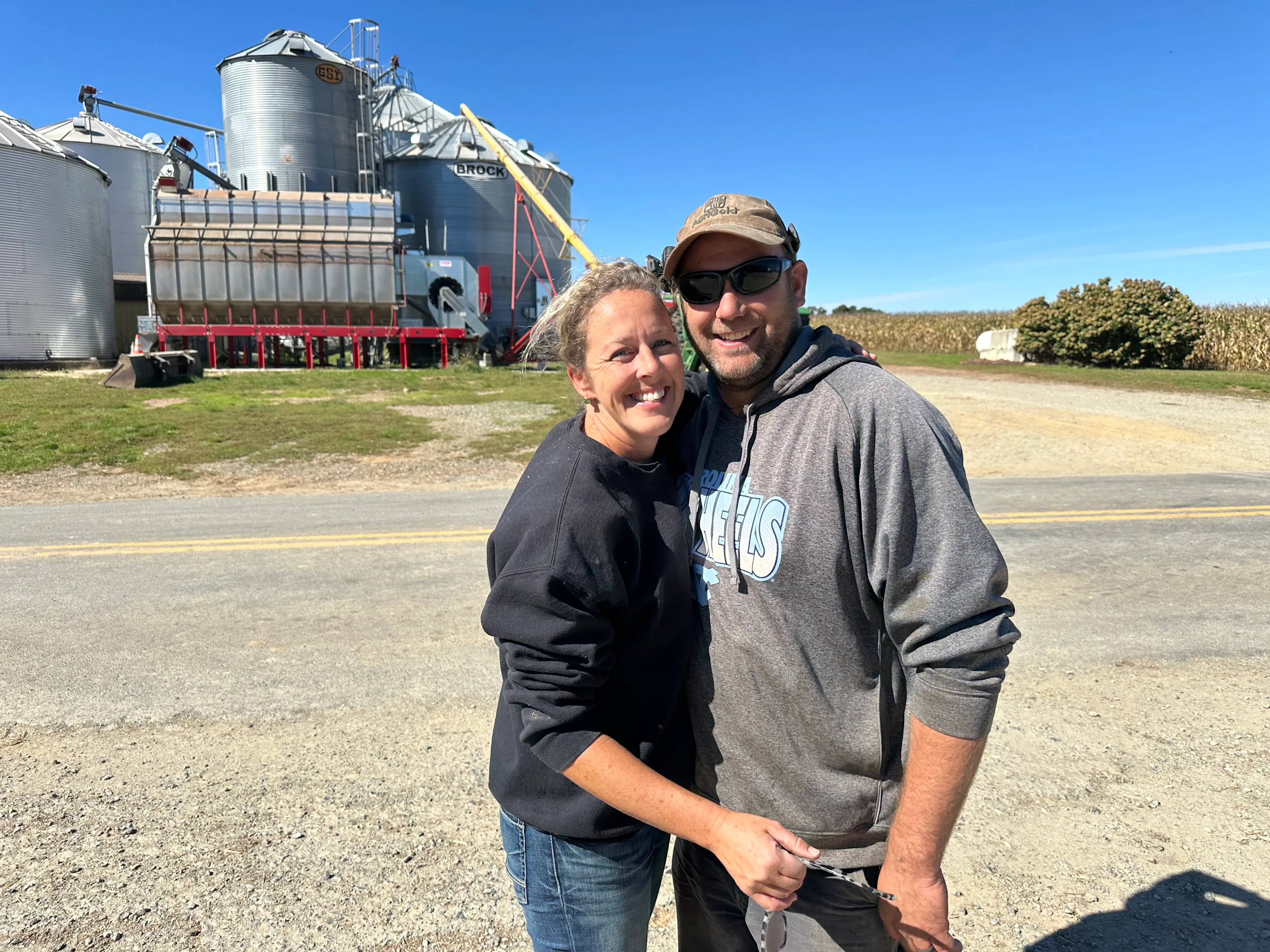
That’s why I believe more than ever that authentic, person-to-person storytelling is one of agriculture’s greatest tools. At our family’s Fawn View Farm in Pylesville, Maryland, my husband, parents and I have welcomed more than 50,000 visitors - school groups, families, and curious neighbors - each sparking a lightbulb moment and walking away with a better understanding of what it takes to grow food in a world shaped by forces far beyond our control.
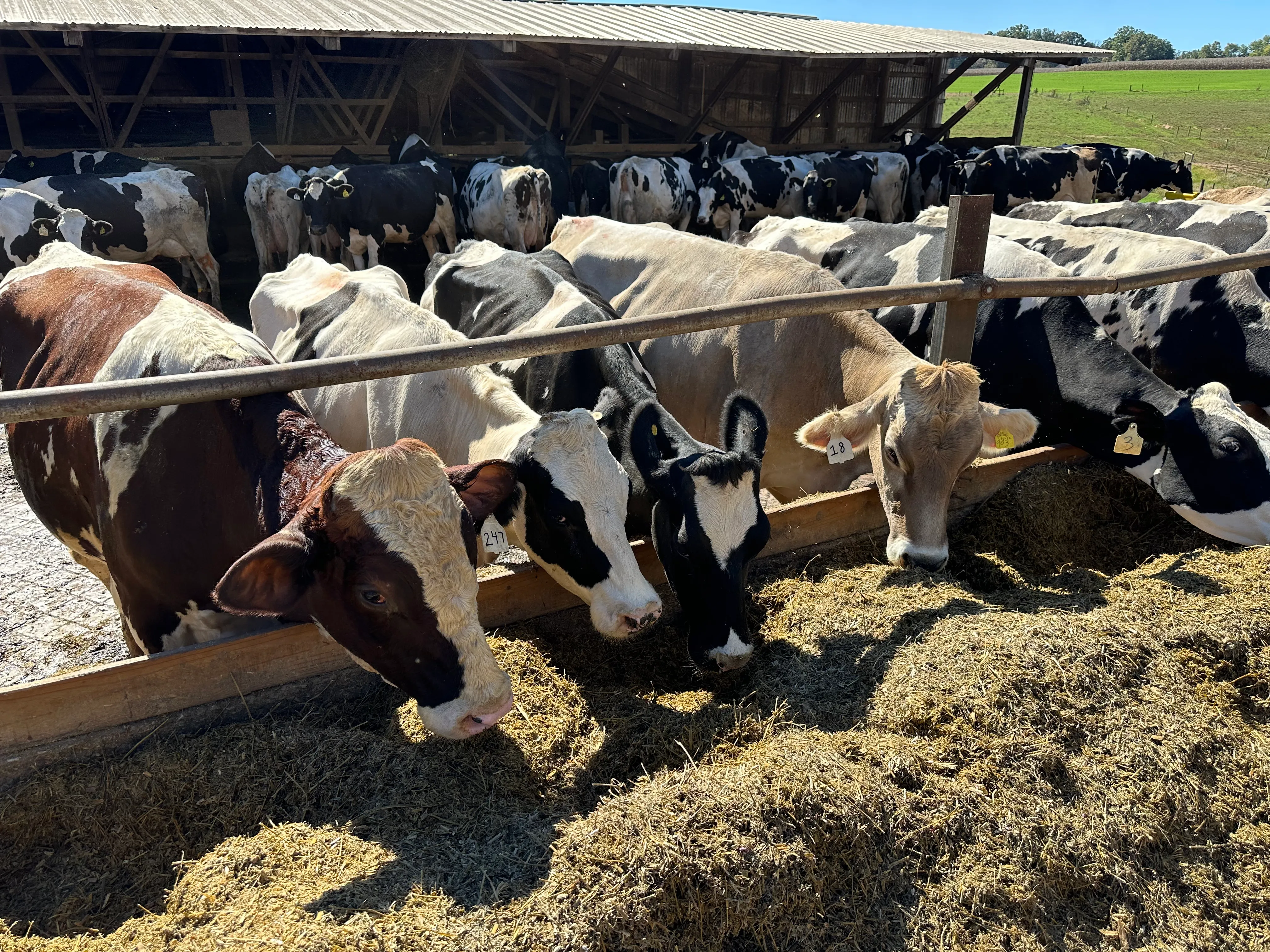
My passion for farming started early. I fell in love with Brown Swiss cows when I was a little girl growing up on our family’s farm. As a teenager, I was the Maryland State Dairy Princess, a traveling representative for the state’s dairy farmers visiting state fairs and festivals, often educating folks who had never heard a moo.
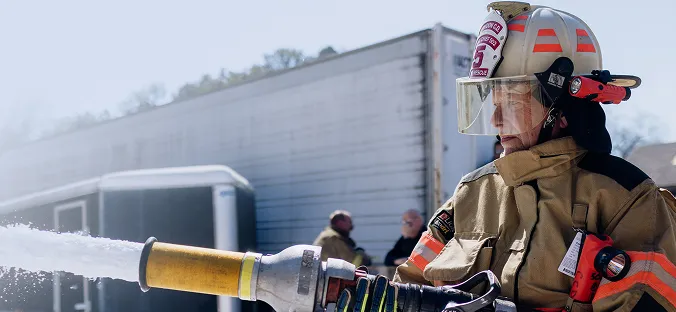
So much has changed since then. Keeping our farm viable and raising five kids, we’ve evolved to include a food truck, cheese production, and even camping, all in response to shifting market demands. Agritourism has become a bridge between farmers and consumers, proving that storytelling still matters, humanizing agriculture and fostering trust, one conversation at a time. Every time a child feeds a calf, or a visitor learns how soybeans from our fields can become fuel, feed, or even foam in firefighting equipment, trust grows. These conversations turn abstract issues like trade, climate, and supply chain into something deeply personal.
In a world of misinformation, our best response is engagement. Face-to-face, we can replace confusion with connection and reinforce why 83% of consumers rank U.S. farmers as their most trusted source on food safety.
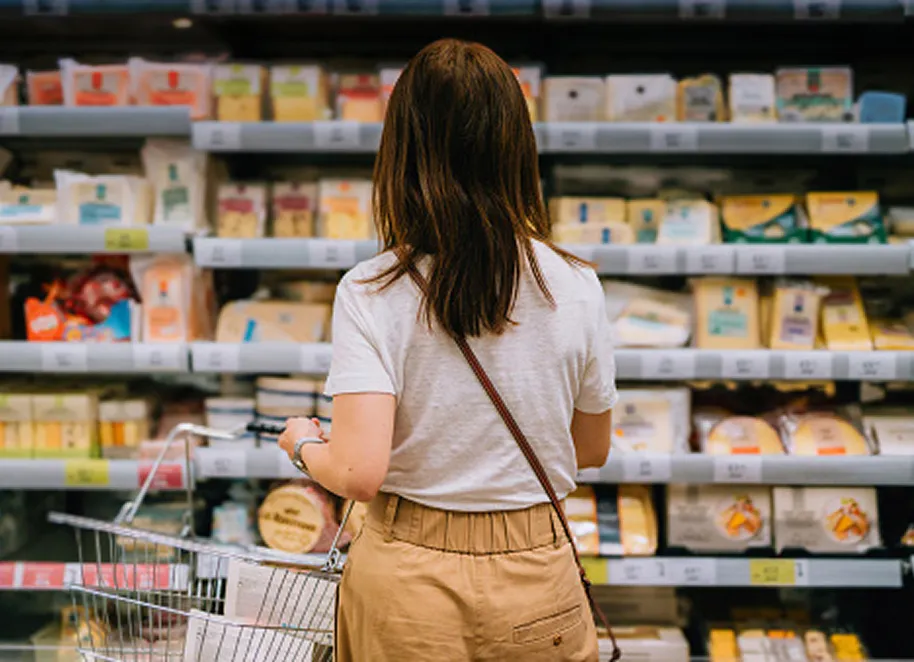
One of the most important messages to share is that farming isn’t stuck in the past. Our industry is driven by innovation. We use cutting-edge equipment and make data-driven decisions to conserve precious water and soil, while preserving farmland for future generations. This awareness is important not only for consumers in the grocery aisle but also young people considering dynamic careers in engineering, crop breeding or animal science.
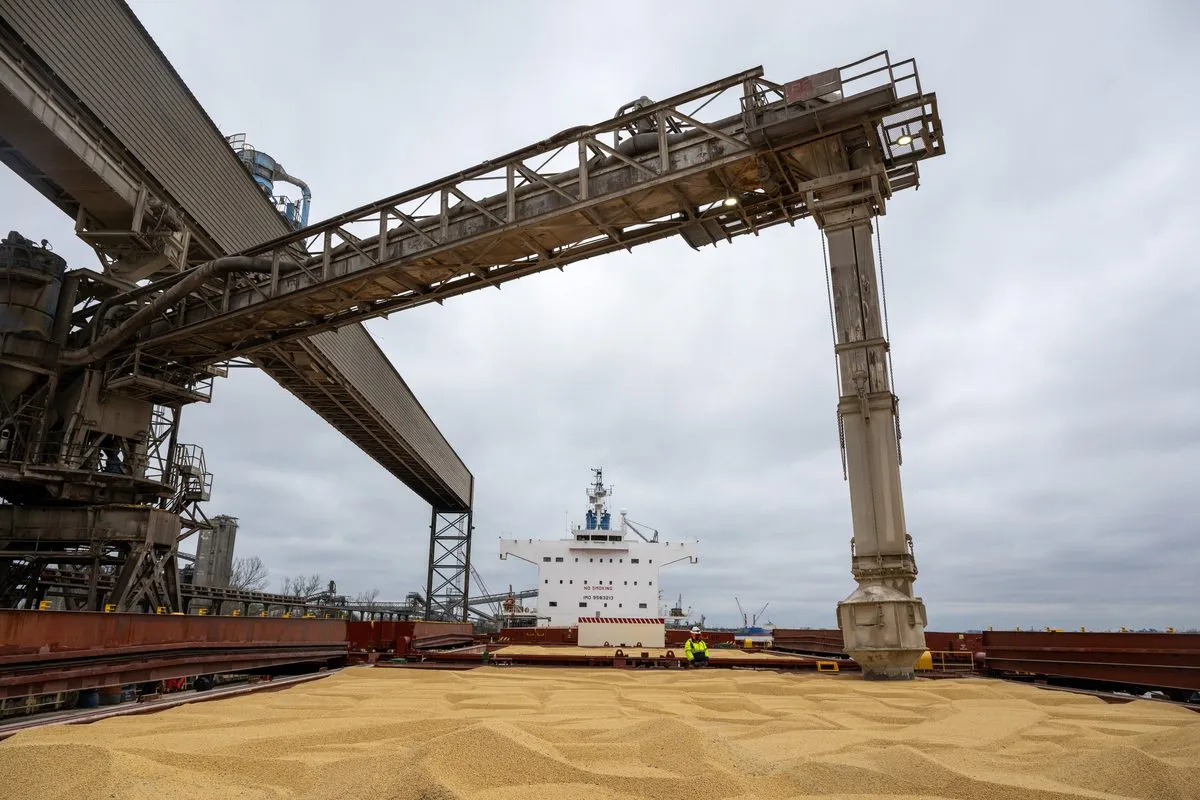
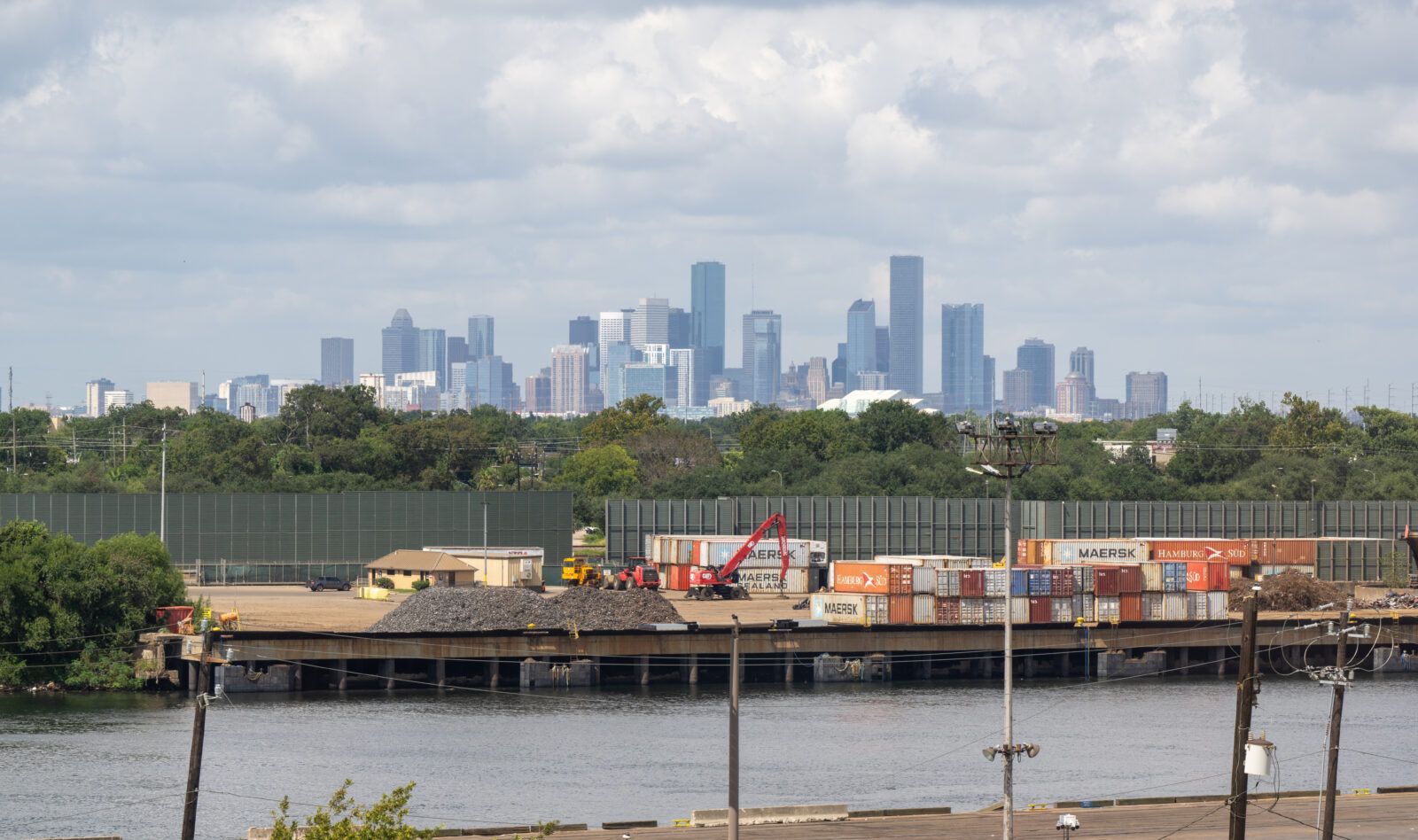
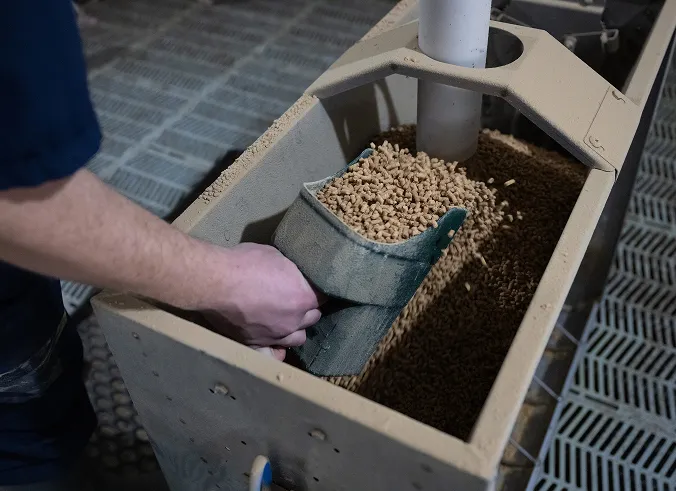
As a farmer-leader for the United Soybean Board, representing our nation’s nearly half-million U.S. soybean farmers, I see how interconnected we’ve become. Soybeans are America’s #1 agricultural export, and disruptions in global trade have a direct impact on our markets at home. But I also see the resilience of U.S. farmers and pivoting to create new markets. We’re innovating with precision technology, furthering on-farm sustainability, and creating biobased products replacing petroleum, plastic and PFAS or forever chemicals with soy as a green alternative to stay competitive.
Farmers and our families make up just 2% of the national population, and we mighty few have a clear opportunity to close the knowledge gap. We can’t control every market shift. But we can control how we tell our story, and remind Americans that the food, fuel, and many consumer products they rely on start with people who care deeply about getting it right.
My motto: find a farmer, make a friend, ask the questions, stay engaged.
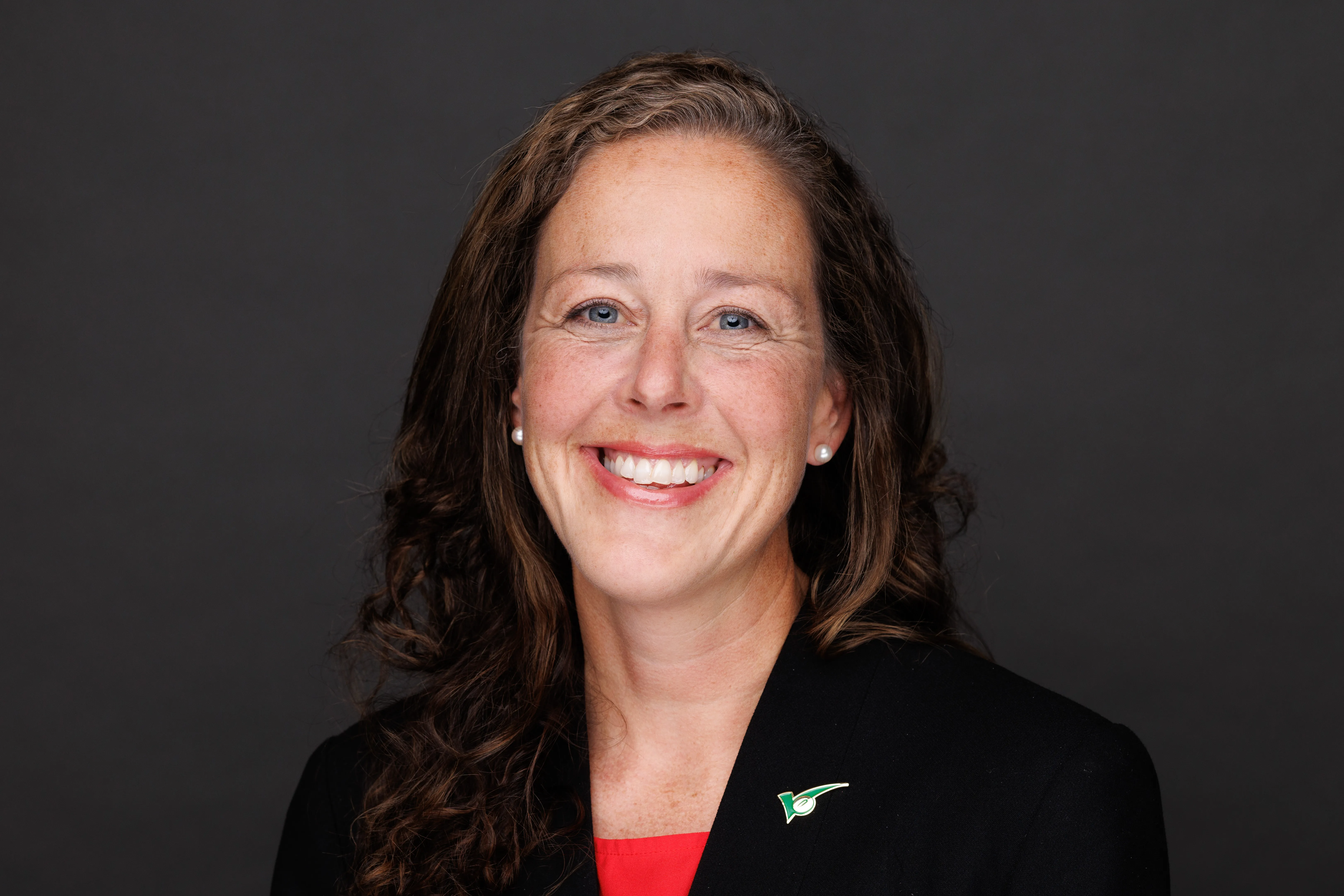
Mary Stewart Byline
Mary Stewart is a co-owner of Maryland’s Fawn View Farm and a Director on the United Soybean Board.